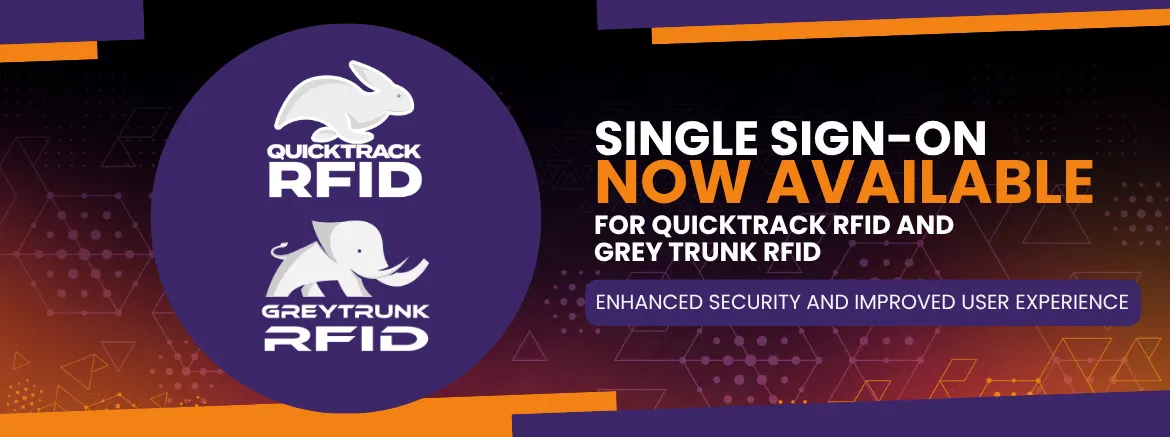
Managing digital access just got simpler, faster and more secure. Both Grey Trunk RFID Asset Tracking Software and QuickTrack RFID Inventory Management Software have rolled out Single Sign-On (SSO) integration with Microsoft Entra, a feature designed to enhance the user experience while fortifying access control.
In this article, we’ll explore what SSO is, why it matters, how it benefits users and how it differs from Active Directory, Two-Factor Authentication and traditional login methods. Whether you're an IT professional or an everyday user, this update brings a more seamless and secure way to manage asset tracking and inventory management through our platforms.
What is Single Sign-On (SSO)?
Single Sign-On (SSO) is an authentication process that allows users to access multiple applications or platforms with a single set of login credentials. Instead of remembering different usernames and passwords for each system, users can sign in once and gain access to all connected software systems within their network.
SSO works by authenticating a user through a central identity provider (IdP), such as Okta, Microsoft Entra ID (formerly Azure Active Directory), or Google Workspace. Once verified, a session token is created that provides access to authorized applications without needing to log in again.
Why is SSO Important?
1. Enhanced Security
SSO reduces the number of passwords users must remember and manage. Fewer passwords mean fewer opportunities for password-related breaches. By integrating SSO with strong identity providers, organizations can centralize authentication and enforce security policies consistently.
2. Improved User Experience
No more repeated logins across different software systems. SSO eliminates login fatigue by streamlining access to software like Grey Trunk RFID and QuickTrack RFID. This helps reduce friction, save time and boost productivity for users managing assets and inventory.
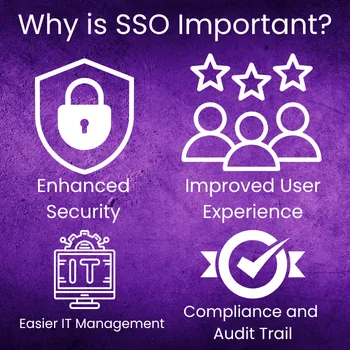
3. Easier IT Management
For administrators, SSO simplifies user provisioning and deactivation. If an employee leaves the organization, IT can revoke access across all platforms instantly by disabling their account from the identity provider.
4. Compliance and Audit Trail
Many regulatory frameworks require strict access control and audit capabilities. SSO offers centralized monitoring and logging, helping organizations stay compliant and ensure visibility into user activity.
What Does SSO Mean for Grey Trunk and QuickTrack Users?
The availability of SSO in Grey Trunk RFID and QuickTrack RFID means you can now:
- Log in once through your organization’s identity provider and gain access to either platform instantly.
- Avoid managing separate credentials for asset tracking and inventory systems.
- Enforce organization-wide security policies, such as multifactor authentication (MFA) or password expiration, across all users.
- Onboard and offboard users faster, ensuring tighter control over data access.
For companies using both Grey Trunk and QuickTrack, SSO further integrates your tracking and inventory environments—creating a streamlined experience across your RFID-enabled operations.
SSO vs. Active Directory: What’s the Difference?
While SSO and Active Directory (AD) often work together, they are not the same.
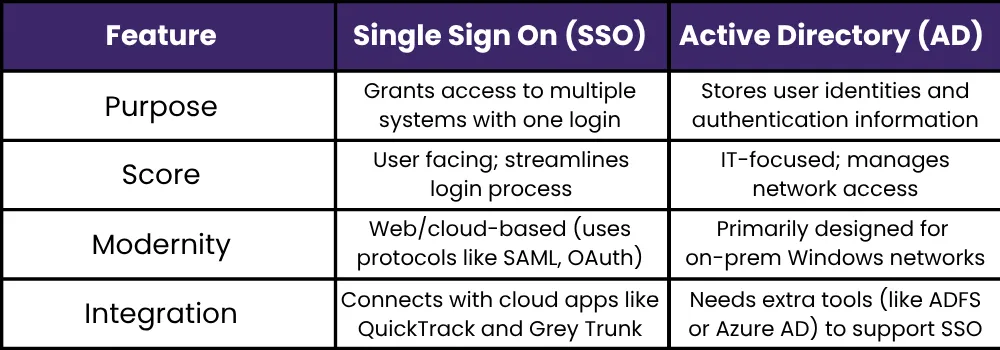
In essence, AD is a directory service that stores user information, while SSO is a service that manages how users log into systems using that directory. Companies often use SSO in conjunction with AD or modern equivalents like Microsoft Entra ID.
What is an Example of SSO?
A common example of SSO in action is when an employee logs into their Microsoft 365 account and then gains access to Outlook, Teams, SharePoint and OneDrive—without logging into each service separately.
In the context of RFID tracking:
Imagine a warehouse manager logs into their company dashboard using Microsoft Entra ID credentials. With SSO enabled, they can instantly open Grey Trunk RFID to manage fixed assets and then jump into QuickTrack RFID to perform inventory reconciliation—no need for separate passwords or repeated logins.
Is SSO More Secure Than Username and Password?
Yes—when implemented correctly, SSO is significantly more secure than the traditional username/password model.
Reasons SSO Is More Secure:
- Centralized Authentication: All access is routed through a single, secure provider with robust controls.
- Fewer Attack Vectors: Reduces the number of passwords that could be guessed, phished, or stolen.
- Policy Enforcement: Companies can enforce security standards (like MFA) more easily.
- Reduced Password Reuse: Users aren’t tempted to reuse weak passwords across platforms.
However, the strength of SSO hinges on how well the identity provider is secured. This is why pairing SSO with multifactor authentication (MFA) is highly recommended.
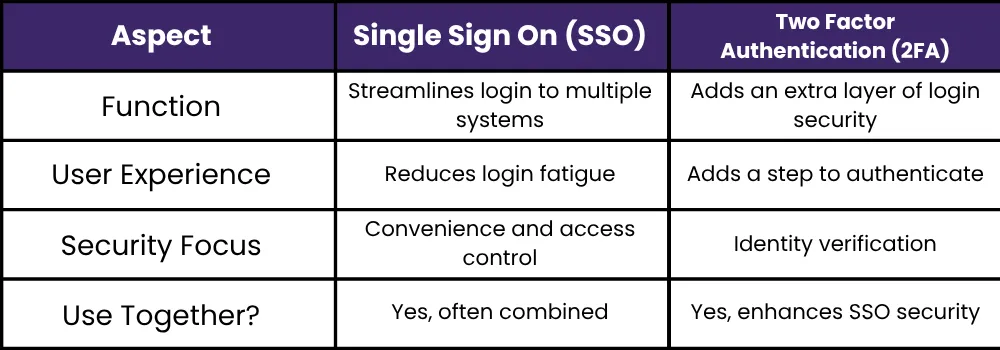
SSO vs. Two-Factor Authentication (2FA): What’s the Difference?
SSO and Two-Factor Authentication (2FA) serve different purposes but are often used together for maximum security.
Conclusion
The addition of Single Sign-On (SSO) to Grey Trunk RFID Asset Tracking Software and QuickTrack RFID Inventory Management Software is a game-changer for users and IT teams alike. It reduces password headaches, strengthens security and simplifies system access—giving you one less thing to worry about in your busy day.
Whether you're tracking tools in a manufacturing facility or conducting real-time inventory audits, SSO ensures that your team can do it faster, safer and smarter.
Ready to activate SSO in your Grey Trunk or QuickTrack system? Contact your system administrator or reach out to our support team to get started.