Deciding between a fixed and a mobile RFID tracking system is one of the most important technological decisions for any business managing assets. Both RFID tracking systems offer clear advantages depending on the scale of operations, the type of equipment being managed and how often employees need to perform inventory management tasks. In industries like manufacturing, logistics, healthcare and education, the choice of tracking system directly affects productivity, cost and overall management efficiency.
This article explores the key components of mobile solutions, how they differ from fixed options and the many benefits that modern RFID readers and software, like Grey Trunk RFID, provide for tracking assets in real-world environments.
Components of a Mobile RFID Tracking System
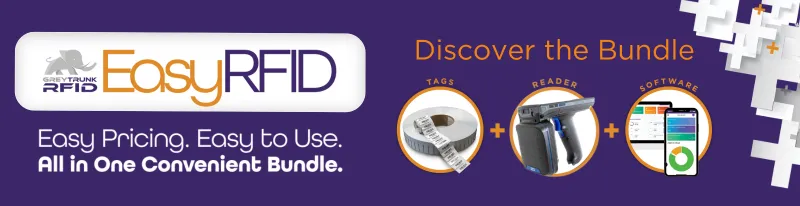
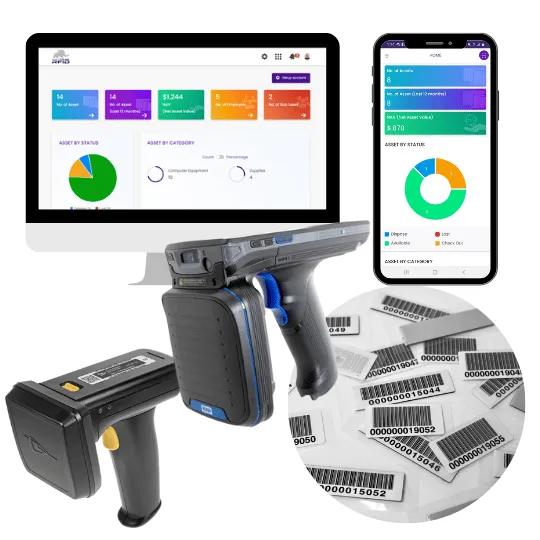
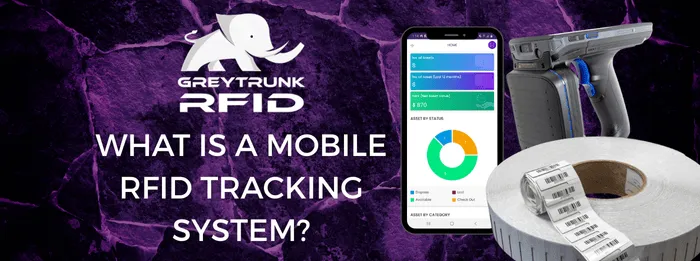
A mobile solution is made up of three main components that work together seamlessly:
The success of an RFID asset tracking system depends on these parts functioning as one system. Without reliable hardware, accurate tags and powerful software, the tracking process may suffer from gaps in data collection or reduced accuracy. That’s why many vendors supply fully integrated solutions that bring together RFID tags, readers and cloud-based software for faster deployment.
RFID Asset Tracking Software
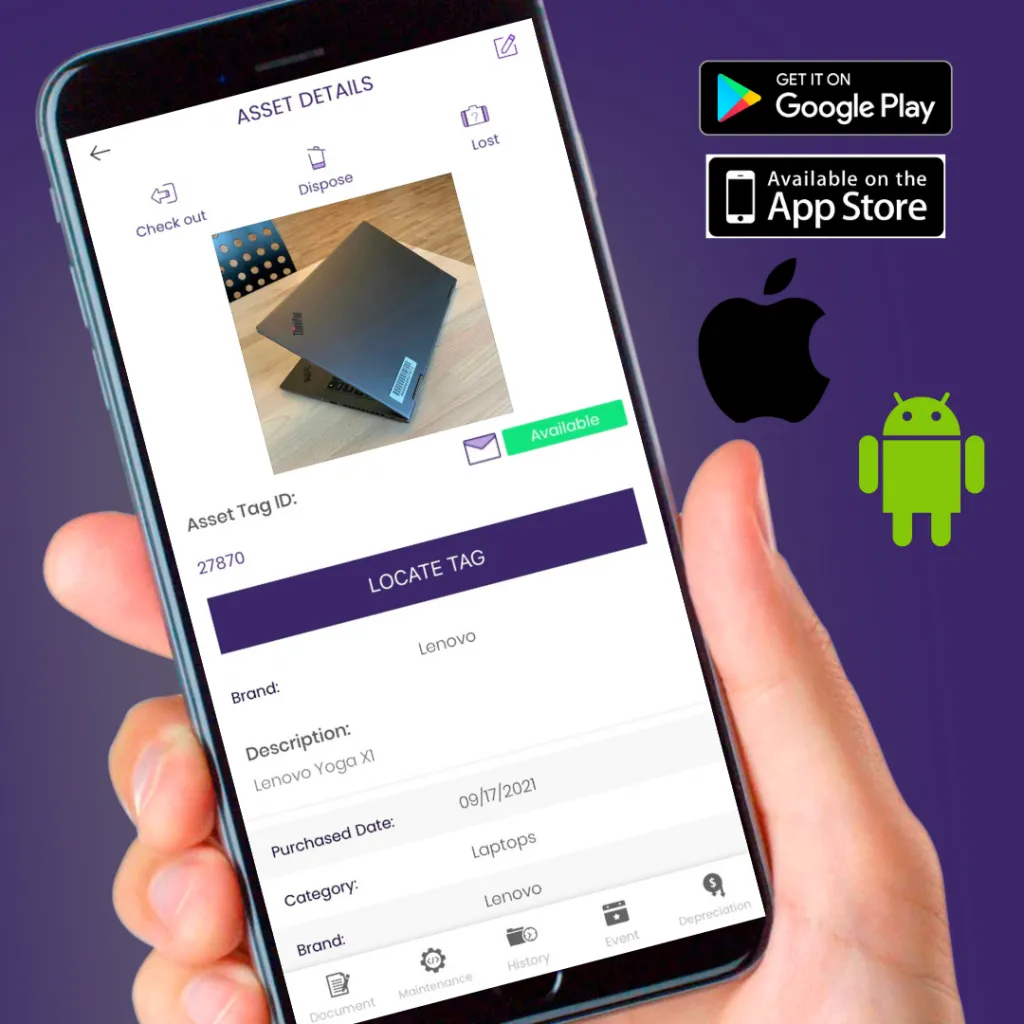
The software is where all the data collected from RFID readers becomes meaningful. It serves as the central hub where teams view and manage assets, monitor their location, and access real time updates. With built-in logging and database functionality, this layer of the system ensures that the information collected from the field is reliable, searchable and always available.
Cloud-based RFID asset tracking systems are especially valuable for mobile use. When employees use a handheld RFID reader in a warehouse or out in the field, the captured data is uploaded immediately, eliminating delays and improving visibility. Teams no longer have to rely on outdated spreadsheets or manual entries; instead, they can trust in accurate, automated logging.
Modern RFID asset tracking systems often include mobile apps available on iOS App Store or Google Play Store. This makes deployment easier across a range of devices. This accessibility improves team collaboration and ensures that customers benefit from faster service and reduced errors in tracking assets.
Bluetooth Handheld RFID Reader
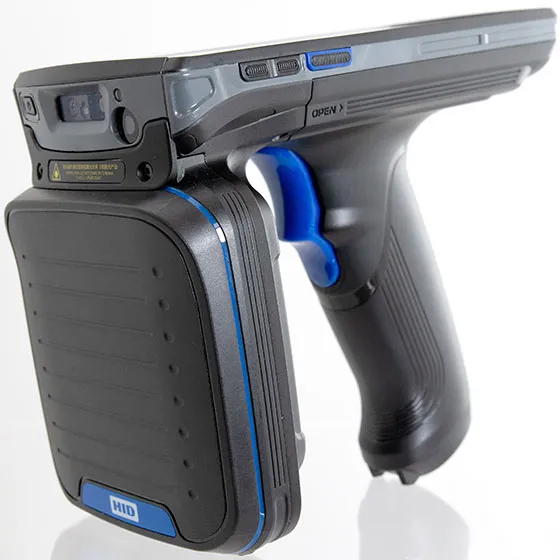
At the heart of the mobile approach is the handheld RFID reader. These portable devices use Bluetooth to connect to smartphones or tablets, running apps that enable direct tracking of tags in the field. Popular models like the Janam XR2 UHF RFID Reader and TSL 1128 are widely used across industries due to their durability, reliability and extended range.
Unlike barcode scanners, which require line-of-sight and can only scan barcodes one at a time, a handheld RFID reader can capture many tags simultaneously, even if they’re hidden inside boxes, under desks or stacked on shelves. This improves both speed and efficiency when conducting inventory management or checking stock rooms for missing items.
Using UHF RFID technology, the reader powers the passive RFID chip inside each tag and captures the returning signal. Depending on the environment, the range can vary from 7 to 30 feet. Selecting the right RFID tags and hardware for your system ensures optimal performance.
For organizations wanting to test a mobile tracking system before purchasing, some vendors offer rental programs that allow teams to try RFID readers and software at a lower cost. This reduces risk and demonstrates how mobile RFID tracking can transform operations.